
Printing Process Differences: Automatic vs. Semi-Automatic Aluminum Bottles
In custom aluminum bottle manufacturing, selecting between automatic and semi-automatic production lines significantly impacts print quality, design flexibility, and project efficiency. As a B2B partner serving diverse global clients, we recognize that this choice hinges on technical nuances rather than one-size-fits-all metrics. This analysis clarifies critical distinctions to align your packaging vision with optimal production methods.
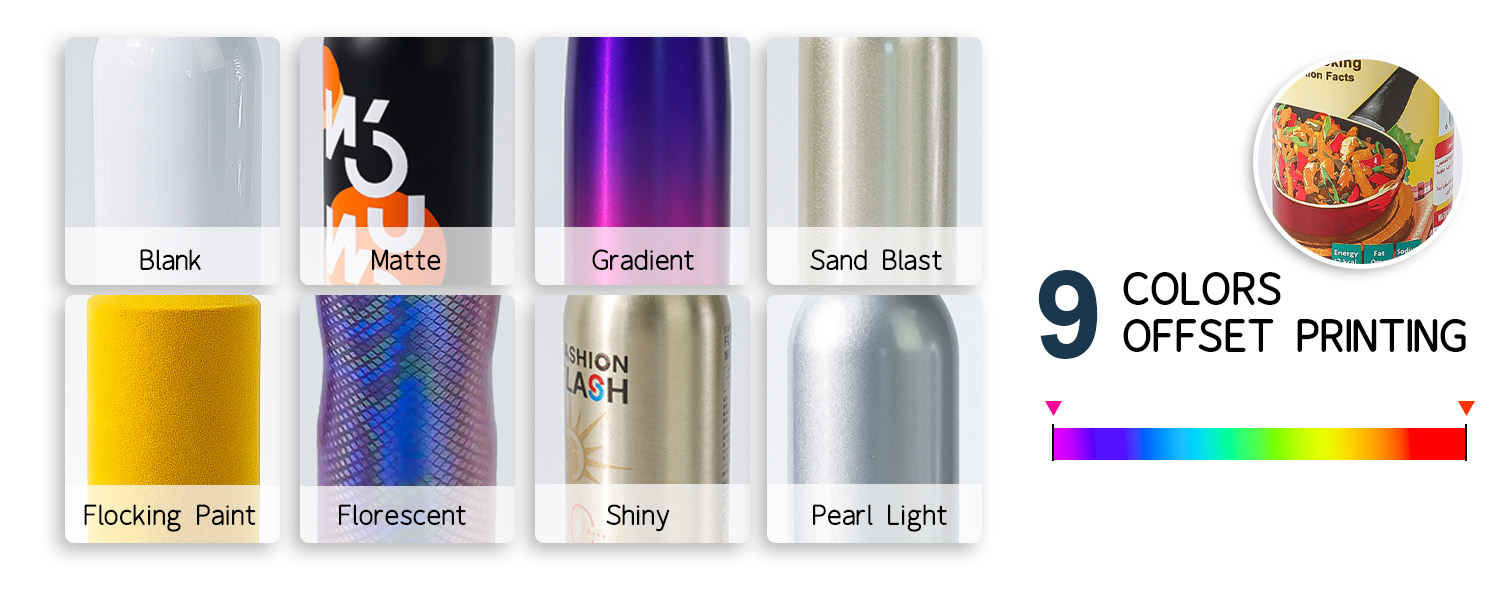
Fundamental Process Differences
Automatic lines integrate printing and forming into a single uninterrupted sequence. Printing occurs exclusively via *offset lithography* applied to aluminum sheets *before* shaping into bottles. This method delivers exceptional color saturation and consistency across cylindrical surfaces due to machine-controlled precision. However, it introduces two immutable constraints: First, artwork must be irrevocably finalized before production begins—no physical sampling or mid-run adjustments are feasible. Second, the mechanical polishing process creates a *shoulder dimming effect* near the neck, where ink adhesion weakens slightly.
Semi-automatic lines decouple forming and printing. Bottles are shaped first, enabling *post-production decoration* through diverse techniques: screen printing for opaque inks and textures, thermal transfer for complex graphics, or hydrographics for full-wrap patterns. Human operators manage each stage, permitting small-batch prototyping and on-the-fly refinements. This flexibility extends to handling intricate designs requiring metallic finishes or gradient effects impossible in offset-only workflows.
Operational Implications
*Error Tolerance & Prototyping*
Automatic production demands absolute artwork accuracy. Once machines commence, the integrated workflow prevents modifications—underscoring the need for meticulous digital proofs. Semi-automatic processes, conversely, allow physical sampling at minimal volumes. Clients approve tangible prototypes before mass production, mitigating financial and timeline risks for experimental designs.
*Lead Time Dynamics*
Both methods operate within standard 30–45 day delivery windows, yet their scheduling differs. Automatic lines prioritize high-volume runs compatible with preset tooling dimensions; your project queues until the line configures for your bottle’s specifications. Semi-automatic lines, while slower per unit, offer more adaptable scheduling since human labor reduces machine dependency.
*Hybrid Production: A Compromise*
Producing blank bottles automatically and outsourcing printing combines efficiency with decoration flexibility but introduces logistical complexities. Transporting semi-finished products between facilities increases handling costs, quality control challenges, and lead times—often negating initial cost advantages.
**Strategic Selection Guidelines**
*Opt for Automatic Lines When:*
– Designs utilize standard CMYK offset lithography without gradients or special effects.
– Shoulder aesthetics are secondary to body color vibrancy.
– Artwork is unchanging and pre-approved via digital proofs.
– Project scale justifies dedicated machine scheduling.
*Choose Semi-Automatic Lines When:*
– Designs demand specialty techniques (e.g., spot colors, textured inks).
– Physical prototypes are non-negotiable for client sign-off.
– Uniform 360° coverage (including shoulders) is critical.
– Order volumes benefit from phased batch production.
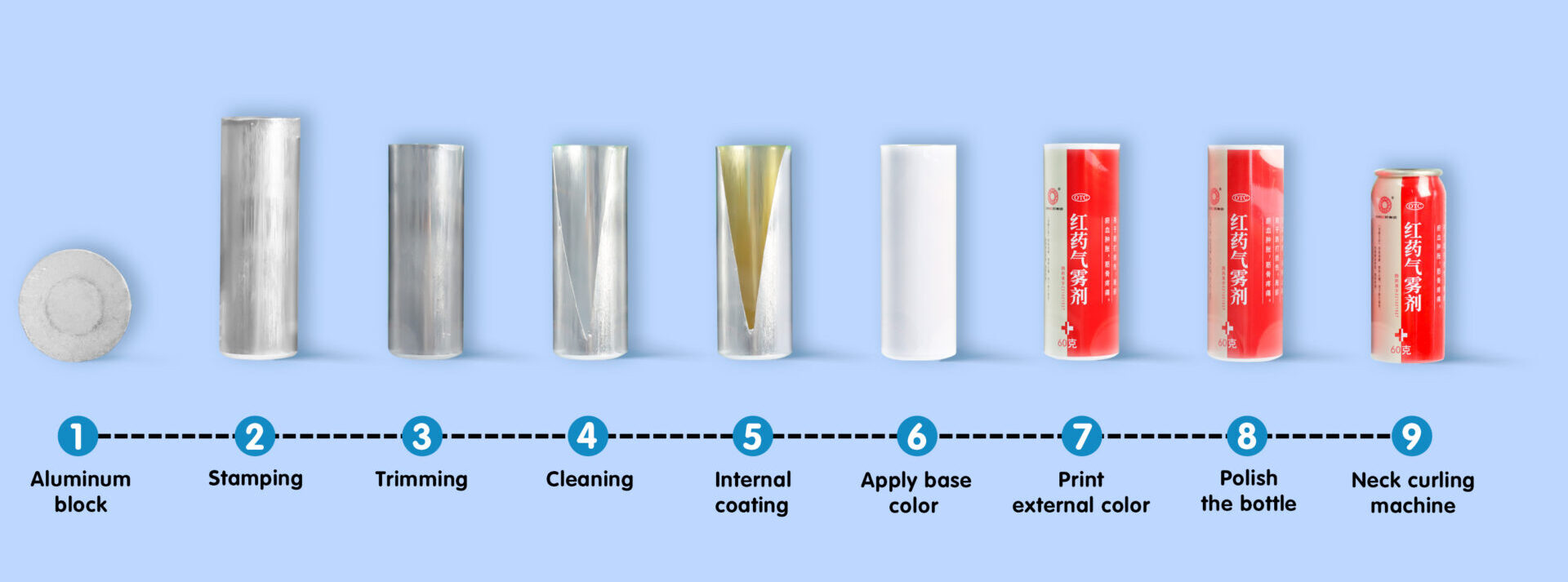
Navigating Custom Projects
For complex orders, consider these technical priorities:
1. **Design Complexity**
Simple graphics thrive in automated offset printing, while multi-process designs (e.g., matte logos with glossy accents) necessitate semi-automated flexibility.
2. **Sampling Necessity**
Regulated industries like cosmetics often require physical pre-production samples—eliminating automatic lines as a viable option.
3. **Geometric Constraints**
Curved shoulder areas present no limitation for post-formed printing (semi-auto) but will exhibit faint color reduction in pre-formed printing (auto).
4. **Revision Probability**
Artwork instability favors semi-automatic workflows, where human intervention accommodates last-minute changes.
The automatic/semi-automatic dichotomy represents a technical spectrum, not a binary choice. Automatic lines deliver unmatched efficiency and color consistency for standardized designs but sacrifice adaptability. Semi-automatic methods empower innovation through hands-on craftsmanship and diverse printing techniques at the cost of speed.
About Us
Hygintek is a leading manufacturer of sustainable & ECO-friendly metal packages for food & beverage, medicine, and healthy brand, offering them a one-stop package solution and service.