
Proper Storage of Aluminum Packaging: Expert Advice
IHello partners! As an expert with many years of experience in the aluminum packaging industry, I deeply understand the superiority of aluminum and its crucial role in product protection. However, even robust aluminum packaging requires correct storage and handling to fully realize its effectiveness and ensure your products always remain in optimal condition. Today, I’ll provide a detailed explanation from an expert perspective on how to effectively store aluminum packaging, focusing on preventative measures to help you avoid potential storage issues.
I. Environmental Control: Humidity and Temperature Are Key
Aluminum is an active metal, very sensitive to changes in environmental humidity and temperature. Improper environmental conditions are one of the primary reasons for issues with aluminum packaging.
**1. Humidity Management: Dryness is the Top Priority**
Water is aluminum’s biggest enemy. Whether it’s liquid water or water vapor, both can cause the aluminum surface to oxidize, leading to white spots, corrosion, and even affecting the packaging’s seal integrity.
* **Control Relative Humidity:** The ideal storage environment should maintain relative humidity between **40% and 60%**. Excessively high humidity can cause water vapor to condense on the aluminum surface, accelerating oxidation. Conversely, overly low humidity might lead to the embrittlement of other materials (like labels, adhesives).
* **Prevent Condensation:** Large temperature differences often lead to water vapor condensation. Ensure the temperature in your warehouse or storage area is stable, avoiding sudden increases or decreases. Pay particular attention to condensation during humid seasons or in regions with significant day-night temperature swings.
* **Use Dehumidification Equipment:** In high-humidity areas or during rainy seasons, consider using industrial dehumidifiers to maintain ideal humidity levels. Regularly inspect and clean dehumidification equipment to ensure it’s functioning properly.
* **Good Ventilation:** Maintaining good air circulation in the storage area helps dissipate moisture and prevents localized high humidity. However, note that ventilation isn’t just about opening windows; avoid introducing external hot and humid air.
**2. Temperature Stability: Avoid Extremes and Fluctuations**
Extreme temperatures and drastic temperature fluctuations can both adversely affect aluminum packaging.
* **Appropriate Storage Temperature:** The recommended storage temperature range is **15℃ to 25℃ (59℉ to 77℉)**. Within this range, aluminum’s physical properties are most stable, making it less prone to deformation or internal stress changes.
* **Avoid High Temperatures:** Continuous exposure to high temperatures can accelerate the aluminum’s oxidation process and even affect its strength and appearance.
* **Avoid Low Temperatures:** Extremely low temperatures can make aluminum brittle, making it more susceptible to breakage, especially upon impact. Furthermore, rapid transitions from a cold to a hot environment can easily trigger condensation.
* **Keep Away from Heat Sources:** Storage areas should be kept away from heat sources like boilers, radiators, and direct sunlight to prevent localized overheating.
Physical Protection: Prevent Damage and Contamination
Beyond environmental factors, physical damage and contamination are significant causes of aluminum packaging failure.
**1. Proper Stacking: Weight Bearing and Stability**
* **Flat Base:** Ensure the stacking base is flat and sturdy, capable of uniformly bearing weight, preventing packaging deformation or uneven stress.
* **Stacking Height Limit:** Set a reasonable stacking height based on the packaging’s load-bearing capacity and stability. Stacking too high can lead to deformation of the bottom packaging, or even collapse.
* **Avoid Squeezing:** When stacking, ensure there’s adequate space between packages to avoid mutual squeezing that could cause physical damage. For fragile, unusually shaped packaging, special protective measures should be taken.
* **Use Pallets:** Prioritize using wooden or plastic pallets to elevate the packaging, isolating it from the ground and effectively preventing ground-level water or moisture intrusion.
**2. Dust Prevention and Cleaning: Maintain Surface Cleanliness**
* **Protective Covering:** For long-term stored aluminum packaging, it’s advisable to use dust covers or plastic films to effectively block dust and impurities from adhering.
* **Avoid Contact with Corrosive Substances:** Storage areas should be strictly isolated from corrosive chemicals like acids, alkalis, and salts. Even minimal contact can cause corrosion to the aluminum surface.
* **Regular Cleaning:** The storage area should be cleaned regularly to keep the floor and shelves tidy, reducing the accumulation of dust and dirt.
Optimize the Can End Configuration
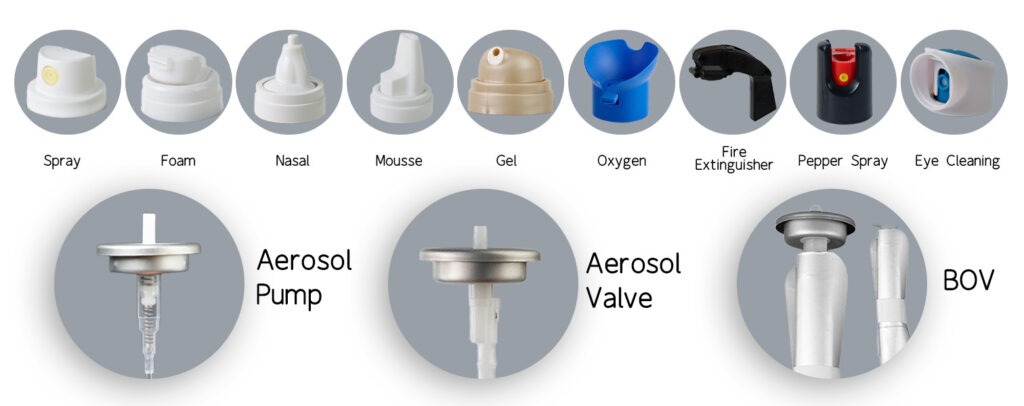
The can end configuration is another area where design optimization can lead to significant cost savings. The end of the can is where the valve and other functional components are located, and its design directly impacts both the functionality and the cost of production.
How to Implement This
- Use a Standard Valve Configuration: Unless your product requires a unique valve design, stick to standard configurations. This reduces the need for custom molds and lowers production costs.
- Minimize the Number of Components: Fewer components mean simpler assembly and reduced material usage. For example, combining multiple parts into a single component can streamline the manufacturing process.
- Optimize the End Thickness: Similar to the can body, adjusting the thickness of the can end can reduce material costs without affecting functionality. Work with your supplier to determine the optimal thickness for your product.
Benefits
- Reduced Material and Labor Costs: Simplifying the can end configuration reduces the number of components and the complexity of assembly.
- Improved Functionality: A well-optimized end design ensures that the valve and other components work efficiently, reducing the risk of product failure.
- Consistent Quality: Fewer components mean fewer opportunities for errors during production, leading to higher overall quality.
Optimizing the design of aluminium aerosol cans is not necessarily an expensive effort. By simplifying the tank body geometry, optimizing the top and bottom design, and simplifying the tank end configuration, you can achieve significant cost savings without sacrificing quality or functionality. These strategies can not only help you reduce expenses, but also enhance production efficiency and product durability, achieving a win-win situation for both your business and your customers. If you are unsure how to implement these design optimizations or need assistance in any aspect of the process, please do not hesitate to contact us.
As experts in aluminum packaging design, we offer comprehensive services to help you achieve your goals. Whether you need assistance in mold making, material selection or production optimization, we can ensure that your packaging is cost-effective and of high quality. Remember, the key to successful cost savings lies in thoughtful design and cooperation with suppliers. By working together and focusing on these three areas, you can reduce costs, improve efficiency, and maintain the integrity of your products without the need to rush to change suppliers. Let us know how we can further assist you!
About Us
Hygintek is a leading manufacturer of sustainable & ECO-friendly metal packages for food & beverage, medicine, and healthy brand, offering them a one-stop package solution and service.